

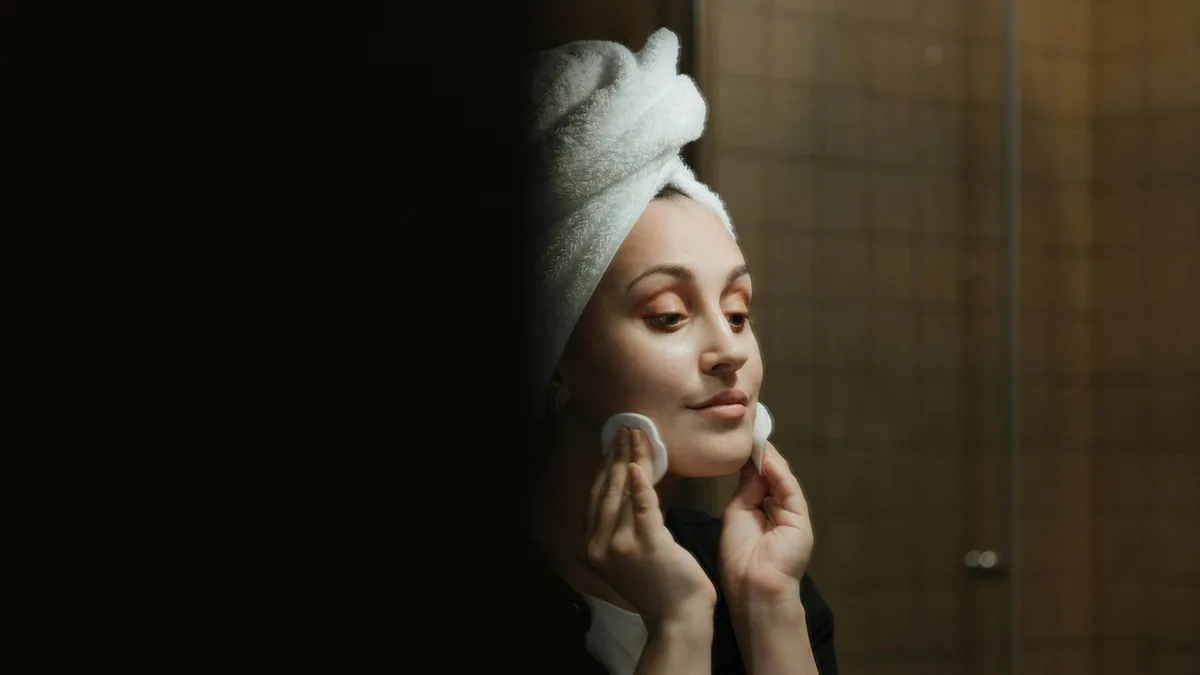
TikTok ads work best when your outfits read instantly on camera. Use clear silhouettes, strong color contrast, and repeatable “get ready with me” formats to support conversion without looking overly produced.
TikTok ads perform best in fashion when the outfit idea is readable in the first second: a clear silhouette, a simple hook (occasion + vibe), and styling details that show movement and texture on camera.
If you want a higher tiktok ads conversion rate, treat your video like a mini styling lesson—one hero piece, two easy pairings, and a clean “before/after” reveal. This keeps the content native to the feed while still guiding viewers toward a decision.
Quick format comparison: which TikTok ad style fits your outfit content?
| Format | Best for | What to show | Common styling miss |
|---|---|---|---|
| GRWM / outfit build | Everyday outfits, capsule pieces | Base layer → hero item → shoes/bag | Too many swaps; no clear “final look” |
| 3 ways to wear it | Versatile staples (blazer, wide-leg pants) | Same hero piece across 3 occasions | Looks feel too similar on camera |
| Problem/solution | Fit or styling pain points | “What I wanted” vs “what worked” | Overexplaining instead of showing |
| Texture/movement close-ups | Fabric-led items (knits, satin, denim) | Walk, sit, drape, stretch, detail shots | Lighting that flattens the fabric |

Who TikTok ads work for (in fashion terms)
- Minimalists and capsule dressers: If your wardrobe leans neutral, structure and contrast do the heavy lifting—clean lines, crisp layers, and one intentional pop (shoe, bag, lip) read well on screen.
- Trend translators: If you like trends but want them wearable, TikTok is ideal for “here’s the updated version” styling—one trend piece anchored by basics.
- Occasion-based shoppers: People searching “what to wear to…” respond to fast clarity: weather + dress code + comfort. Make the outfit solve a real moment.
- Anyone selling a hero piece: A single standout item (coat, dress, jeans) converts better when you show it in motion and in at least one realistic setting.
Who TikTok ads may not suit (or need a different approach)
- Ultra-detailed, slow styling education: If your value is in long explanations (fit theory, tailoring deep-dives), you’ll likely need a slower platform or break content into a series.
- Looks that rely on subtlety only: Tonal outfits can work, but if the difference is “barely there,” you’ll need stronger lighting, closer framing, and a clearer hook to avoid getting lost in the scroll.
- Overly polished editorial-only aesthetics: High production can be beautiful, but TikTok often rewards “real-life wearable.” If it feels like a perfume commercial, it may underperform without a strong narrative.
Pros and cons: using TikTok ads for outfit content
Pros
- Fast visual payoff: Styling is inherently demonstrable—viewers can “get it” without reading.
- Repeatable formats: The same structure (GRWM, 3 ways, day-to-night) can scale across seasons and categories.
- Great for showing fit and movement: Walking, sitting, and fabric drape add confidence in a way static images can’t.
Cons
- Lighting and color matter more than you think: Poor lighting can make black look flat, white look blown out, and prints look muddy.
- Too many pieces can confuse the “hero”: If everything is a statement, nothing is—conversion suffers when viewers can’t name what they want.
- Cost can rise with unclear creative: When the hook is vague, you often need more iterations, which can push up tiktok ads cost over time.

A simple TikTok ads strategy for styling that converts
- Pick one hero item and one occasion. Start with a clear promise: “Work dinner outfit with comfy shoes” beats “outfit inspo.”
- Design for instant readability. Use contrast (light top + dark bottom, or vice versa), a defined waist/line (tuck, belt, cropped layer), and one standout accessory.
- Show the transformation early. Open with the finished look for 0.5–1 second, then rewind to the build. This reduces drop-off and supports tiktok ads conversion rate.
- Prove comfort and function. Add one quick “real life” moment: sitting, walking, jacket on/off, bag capacity, sleeve push-up—whatever matches the item.
- Keep the call-to-action style-native. Instead of “buy now,” try “save this look,” “choose A or B,” or “which shoe?” The decision prompt feels like styling, not selling.
Quick creative checklist: clean background, daylight or soft lamp lighting, camera at chest height, and a full-body frame for at least one shot so proportions make sense.
Final verdict: TikTok ads can work—if the outfit reads instantly
For fashion, tiktok ads make the most sense when you can communicate the look in seconds: a defined hero piece, a clear occasion, and movement that shows fit and texture. If you build your creative around repeatable styling formats (GRWM, 3 ways, problem/solution), you’ll make it easier for viewers to understand the outfit—and easier for you to iterate on what improves conversion and controls cost.
FAQ
How do I make an outfit ad look natural on TikTok?
Use a familiar format (GRWM, “3 ways”), film in soft natural light, and include at least one real-life action (walking, sitting, layering). Keep the hook about the occasion, not the product.
What colors and prints show up best for TikTok outfit videos?
High-contrast combos and medium-to-large prints read best. If you love neutrals, add contrast through structure (belt, cropped jacket) or texture (denim, knits, leather).
Why do my outfit videos get views but not clicks?
Often the “hero” isn’t clear. Make one item the star, show the finished look immediately, and add a simple decision prompt (shoe A vs shoe B) so viewers know what to do next.
If you’re mapping out your next set of outfit videos, build a small “creative capsule”: one hero piece, three occasions, and two shoe options. It’s an easy way to keep your content consistent while you refine what your audience responds to.
